
The pattern is so consistent it is almost a rule: treat on a Saturday, see nothing for ten days, then find fleas on your ankles again. Nothing re-infested the house. The pupae that survived the spray simply finished waiting.
The pupal window
Flea pupae are protected by a cocoon that no over-the-counter insecticide penetrates reliably. Inside, the adult is fully formed and waiting for a host signal. In a warm house with a pet present, most emerge within 7–14 days. In an empty house, they can hold for months.
So the timeline is not “treatment fails at two weeks”. It is “the second generation emerges at two weeks”. A single application that kills adults but leaves pupae will always produce that second wave.
Break the cycle at two points
You need an adulticide for the fleas you can see and an insect growth regulator for the larvae you cannot. The IGR mimics juvenile hormone, so larvae never develop into adults. Applied to carpets and upholstery, it stays active for months and stops the next generation before it bites.
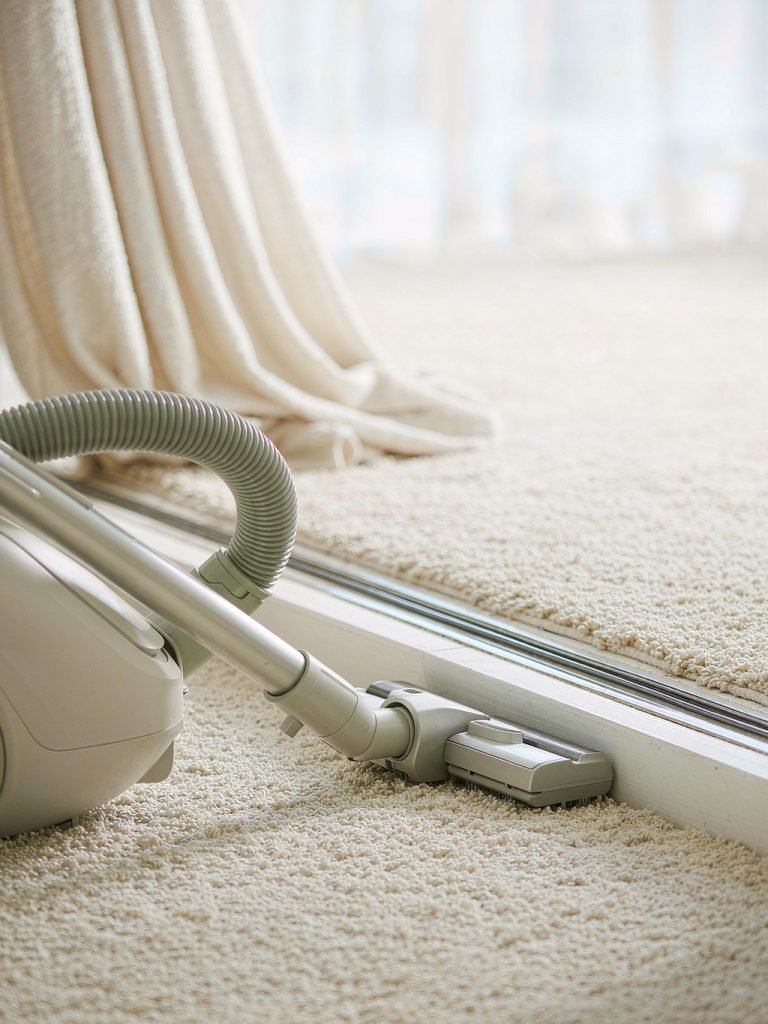
Then add mechanical pressure: vacuum daily, with attention to carpet edges, under furniture and along skirting boards where larvae live. The vibration pulls adults out of cocoons where the spray can reach them.
What people get wrong
- Treating the pet only. The house reservoir is untouched, and the pet is re-infested within days.
- Treating the house only. The pet brings in a new batch of eggs every time it goes outside.
- Spraying and vacuuming the same day. Vacuum first, then treat. Vacuuming after application removes the residue.
- Stopping at the first quiet week. The pupal window is exactly when people stop looking.
A workable schedule
Day 0: vacuum the whole house, wash bedding at 60 °C, apply adulticide plus IGR to floors and upholstery, treat the pet. Days 1–14: vacuum daily, empty the canister outside. Day 14: second application to high-traffic areas. Day 21: assess. Day 28: third application only if adults are still emerging.
When it is not fleas
Bites on the ankles that appear indoors with no pets can be bird mites, rat mites or even springtails. They are tiny and look similar at a glance. Put a strip of double-sided tape along the skirting board and check it with a magnifier; if the insects have wings or long antennae, you are treating the wrong pest.