
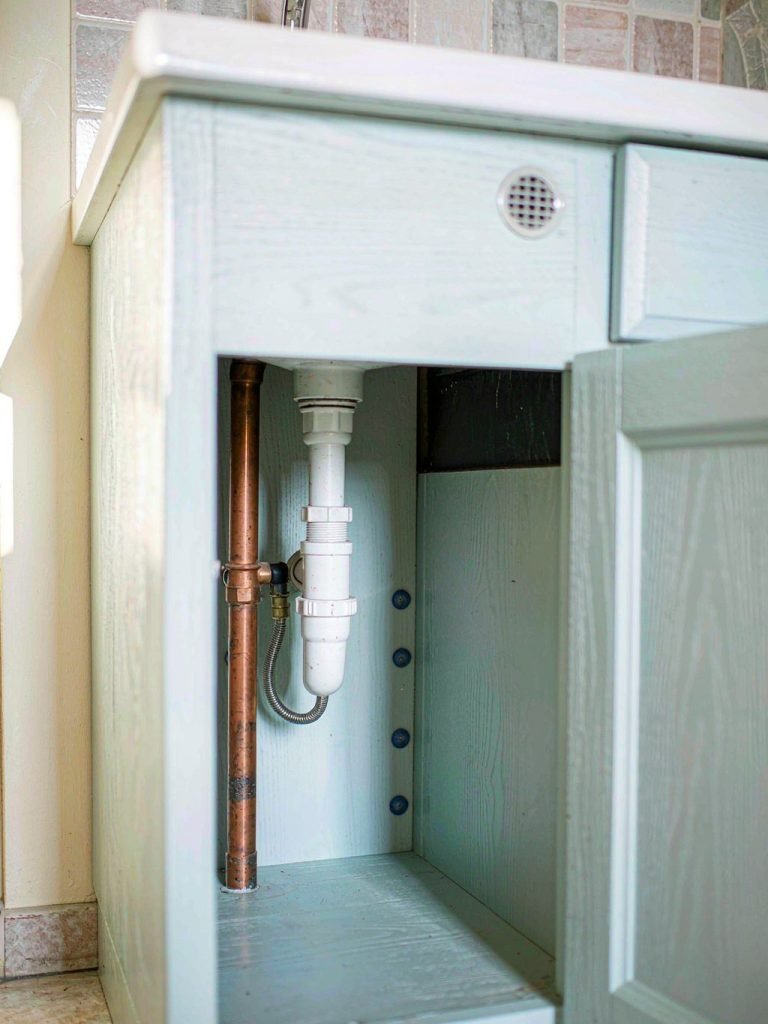
Most cockroach treatments fail for a boring reason: the product went where the person was standing, not where the insect lives. Roaches spend the large majority of their lives compressed into gaps that a credit card would barely enter.
Three things a roach needs
Warmth, moisture and darkness, in that order. A kitchen at 22 °C with a dripping trap under the sink is a habitat. The same kitchen with sealed pipes and dry cabinets is a corridor. This is why sanitation matters less than most people expect and moisture control matters more.
Reading the signs
- Droppings. Black specks like ground pepper, concentrated at corners and along the back edge of shelves.
- Smear marks. Brown streaks on vertical surfaces where bodies brush past a regular route.
- Egg cases. Empty oothecae, about 8 mm long and purse-shaped, wedged in hinge gaps or behind drawer runners.
- Nymphs. Small, wingless and pale. Seeing nymphs means the colony is breeding in place, not wandering in from a neighbour.
Finding the harbourage
Work at night with a torch, ten minutes after the kitchen goes quiet. Open one cabinet at a time and look at the hinge side, the back corner and the underside of the shelf. Then check the appliance motors, the gap behind the toe kick, and the space between the wall and the cabinet carcass.
A mirror on a stick and a phone camera reach what your head cannot. Photograph the corner, then compare the same corner a week later; movement between the two frames tells you whether the colony is expanding or retreating.
Treating the route, not the room
Bait belongs on the route: hinge corners, pipe collars, the seam where two cabinets meet. Dust belongs in voids — behind outlet plates, inside the toe kick, along the wall cavity — where it stays dry and undisturbed for months.
Dust is a contact insecticide, so a thin film works and a visible pile does not. Roaches groom themselves constantly; a film transfers from the tarsa to the mouthparts, and that is the kill.
Why clean kitchens still get roaches
Crumbs are not the issue. Water is. A leaking compression fitting, a sweating cold pipe, a dishwasher that pools an inch of water in the base pan — each supports a colony that never needs to visit your food. Fix the leak and the population loses its nursery.
What to expect
Baiting a harbourage produces more sightings for three or four days, then fewer. The insects are coming out to die. If the count has not dropped by day ten, the route you treated was not the one in use. Move the monitors and try the next gap.